Preventive Dentistry | NE Calgary
Does your mouth feel sticky when you wake up? Do you need water to swallow crackers, or does your tongue feel dry even after brushing? Occasional dryness can happen to anyone, but persistent dry mouth deserves attention. Saliva does far more than keep your mouth comfortable—it helps protect your teeth, gums and soft tissues every day.
How does dry mouth affect your teeth, and what can help?
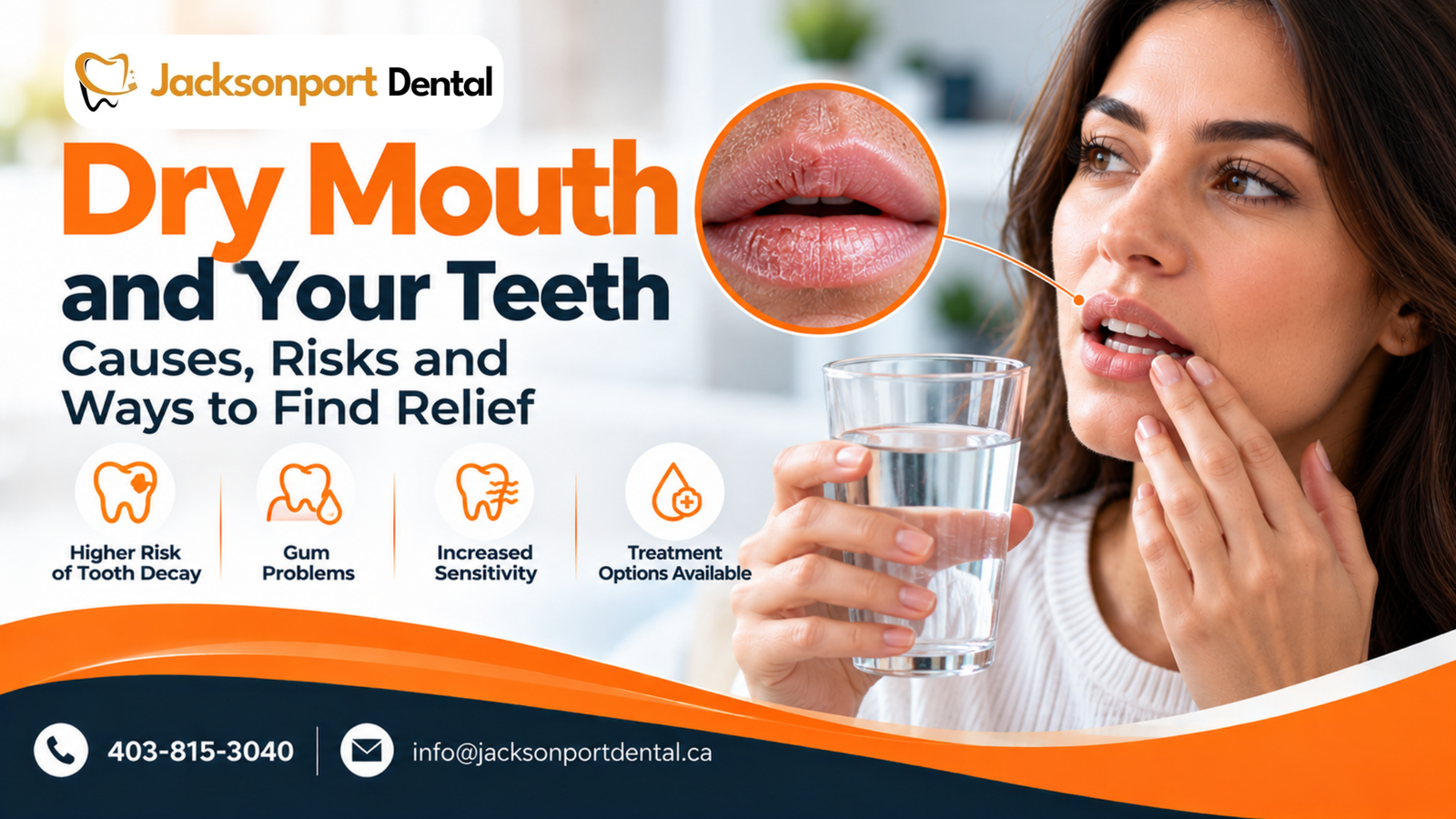
Dry mouth can increase the risk of tooth decay, gum irritation, bad breath, mouth infections and difficulty chewing or swallowing because there is less saliva to wash away food, neutralize acids and protect oral tissues. Relief may include sipping water regularly, chewing sugar-free gum if appropriate, using alcohol-free oral care products, reviewing medicines with a healthcare professional, and asking a dentist about fluoride protection or saliva substitutes. Persistent dry mouth should be assessed to identify its cause and reduce the risk of dental damage.
What is dry mouth (xerostomia)?
Dry mouth is the feeling that your mouth does not have enough moisture. The medical term often used is xerostomia. It can happen when the salivary glands produce less saliva than your mouth needs, although some people feel dry even when measurable saliva flow is not significantly reduced.
Dry mouth may be temporary—for example, after exercising, when you are dehydrated, or when you feel nervous. It becomes more important to investigate when it happens often, wakes you at night, makes eating uncomfortable, or continues despite drinking water.
There is no single cause or one treatment that works for everyone. The best approach depends on what is contributing to the dryness, how severe it is, and whether it is already affecting your teeth or gums.
Why saliva matters for your teeth and gums
Saliva is one of your mouth’s natural protective systems. You may not notice it working, but it performs several jobs throughout the day:
- Washes away food and debris: Saliva helps clear small food particles and dilute substances left behind after eating.
- Buffers acids: It helps neutralize acids produced by oral bacteria and acids introduced by food and drinks.
- Supports enamel repair: Saliva carries minerals, including calcium and phosphate, that help maintain enamel.
- Lubricates oral tissues: Moisture makes speaking, chewing and swallowing more comfortable.
- Supports a healthy oral environment: Saliva helps maintain the balance of microorganisms in the mouth.
When saliva is reduced, these protective functions may weaken. That is why ongoing dry mouth is not just an inconvenience: it can change the conditions in which teeth and gums need to stay healthy.
Common dry mouth causes
Dry mouth can have several causes, and more than one may apply at the same time. Identifying the likely cause is an important step toward lasting relief.
1. Medication side effects
Many prescription and over-the-counter medicines can cause dry mouth. Examples include some medicines used for allergies, depression, anxiety, high blood pressure, bladder symptoms, pain and congestion. The effect varies by medicine and person, and taking several medicines can increase the likelihood of symptoms.
If your mouth became dry after starting a medicine or changing a dose, tell your dentist and prescribing healthcare professional. Do not stop or change a prescribed medicine on your own. Your prescriber can decide whether an adjustment or alternative is safe.
2. Dehydration and everyday habits
Not drinking enough fluid, sweating heavily, fever, vomiting or diarrhoea can contribute to dehydration and a dry mouth. Alcohol, tobacco and high caffeine intake may also worsen symptoms for some people. Frequent sipping of sugary drinks is not a good solution because it can increase the risk of tooth decay.
3. Mouth breathing and nasal congestion
Sleeping with your mouth open, snoring, allergies or a blocked nose can leave your mouth dry in the morning. If dryness is strongest after waking, notice whether you also have nasal congestion or disrupted sleep. A dentist or physician can help determine whether the cause needs further assessment.
4. Health conditions
Some medical conditions can affect saliva production or the body’s fluid balance. These may include diabetes and autoimmune conditions such as Sjögren disease. Dry mouth can also occur with certain infections or nerve-related conditions. Having dry mouth does not automatically mean you have an underlying disease, but persistent symptoms—especially with other changes—are worth discussing with a healthcare professional.
5. Cancer treatment and other medical care
Radiation treatment involving the head or neck can affect salivary glands, and some cancer treatments can contribute to dryness. If you are receiving or have received cancer treatment, ask your medical and dental teams for an oral care plan tailored to your needs.
6. Stress and anxiety
Some people notice a dry mouth when they feel anxious or under stress. This may be temporary, but if it happens regularly, consider the pattern and discuss ongoing symptoms with a professional rather than assuming stress is the only cause.
Signs and symptoms of dry mouth
Dry mouth is not always just a lack of saliva you can see. Symptoms can affect comfort, taste, eating and daily routines. Common signs include:
- A sticky, tacky or dry feeling in the mouth.
- Thick or stringy saliva, or a tongue that feels dry or rough.
- Dry, cracked lips or splits at the corners of the mouth.
- Bad breath that keeps returning despite regular brushing.
- A burning sensation, mouth tenderness or altered taste.
- Difficulty chewing dry foods, speaking for long periods or swallowing.
- Needing water to help swallow food or to feel comfortable at night.
- More frequent cavities, tooth sensitivity or irritation from dentures.
- White patches, mouth sores or other changes that need professional assessment.
These symptoms can have different causes. If they persist, become painful or interfere with eating and drinking, arrange an assessment with a dentist or healthcare professional.
How dry mouth can damage your teeth
Reduced saliva can create a higher-risk environment for dental problems. The effects may develop gradually, so you might not connect a new cavity or sensitivity with a dry mouth.
Higher risk of tooth decay
Saliva helps clear food debris and neutralize acids. With less saliva, acids may remain active for longer and enamel may have fewer opportunities to recover after an acid attack. This can raise the risk of cavities, including around the gumline, between teeth and near existing fillings or crowns.
Enamel demineralization and sensitivity
When the mouth’s normal protective balance is disrupted, teeth may be more vulnerable to mineral loss. Some people notice increased sensitivity, although sensitivity can also have other causes such as gum recession, enamel wear or a damaged restoration. A dental examination can help distinguish between them.
Gum irritation and oral infections
Dryness can irritate the soft tissues and may contribute to mouth sores or infections, including oral thrush in some people. Reduced saliva does not guarantee gum disease, but it can make maintaining a comfortable, healthy mouth more difficult.
Bad breath and changes in taste
Saliva helps clear substances that contribute to unpleasant breath. When the mouth is dry, bad breath may become more noticeable and food may taste different. Mouthwash alone may not solve the problem if the underlying dryness continues.
Challenges with eating, speaking and dental appliances
Saliva lubricates the mouth, making it easier to chew and swallow. Dryness can make bread, crackers and other dry foods uncomfortable to eat, and it may make speaking for a long time more difficult. People who wear dentures may also experience friction or soreness.
Dry mouth treatment: 10 ways to find relief
These practical steps may help manage symptoms, but they do not replace an assessment when dry mouth is persistent. Choose options that are appropriate for your health and ask your dentist or pharmacist if you are unsure.
1. Sip water regularly
Take frequent small sips throughout the day and keep water nearby at night if dryness wakes you. Follow any fluid limits advised by your physician if you have a condition that requires them.
2. Try sugar-free gum or lozenges
Sugar-free gum or lozenges may stimulate saliva in people whose salivary glands can still respond. Choose sugar-free products to avoid exposing teeth to frequent sugar. If chewing is uncomfortable or you have swallowing concerns, ask a professional before using lozenges or gum.
3. Use products designed for dry mouth
Saliva substitutes, moisturizing gels, sprays and rinses may provide temporary comfort. Products vary, so look for options designed for dry mouth and ask a dentist or pharmacist which type suits you. These products ease symptoms but may not address the cause.
4. Choose an alcohol-free mouthwash
Some mouthwashes containing alcohol can worsen dryness or irritation. Consider an alcohol-free rinse designed for dry mouth. Avoid using strong or acidic rinses unless recommended by your dental professional.
5. Brush with fluoride toothpaste
Brush twice daily with a fluoride toothpaste and clean between your teeth every day. Fluoride helps strengthen enamel and reduce the risk of decay. Depending on your risk, your dentist may recommend additional fluoride products or in-office fluoride treatment. Explore professional teeth cleaning and oral hygiene and comprehensive dental exams at Jacksonport Dental.
6. Limit sugary and acidic foods and drinks
Frequent sugary snacks and drinks feed bacteria that produce acids, while acidic drinks can contribute to enamel erosion. Try to keep sugary or acidic items to mealtimes rather than sipping them throughout the day. Water is usually a better everyday drink than soda, energy drinks or sweetened beverages.
7. Reduce triggers that worsen dryness
Notice whether caffeine, alcohol or tobacco worsens your symptoms and consider reducing or avoiding them. Tobacco also harms oral health in other ways. If you need support to stop using tobacco, ask your healthcare provider about resources.
8. Add moisture to the bedroom
If your mouth is particularly dry overnight, a clean humidifier may make the air more comfortable. Follow the manufacturer’s cleaning instructions to prevent mould or microbial growth. A humidifier will not treat the cause of nasal obstruction or sleep-related breathing problems.
9. Address mouth breathing or nasal congestion
If you often wake with a dry mouth, ask your healthcare professional about persistent nasal blockage, allergies, snoring or other sleep symptoms. Do not tape your mouth shut to manage dryness; first seek appropriate advice about why you are breathing through your mouth.
10. Review medicines and health conditions with your care team
Bring a current list of prescription medicines, over-the-counter medicines and supplements to your appointment. Your physician or pharmacist can review possible side effects and decide whether any changes are appropriate. If a medical condition is contributing to dry mouth, managing it may be an important part of treatment.
When should you see a dentist or doctor?
Book a dental assessment if dry mouth is ongoing, repeatedly returns, affects eating or sleeping, or comes with new cavities, tooth sensitivity, mouth soreness or persistent bad breath. Your dentist can look for signs of decay, gum irritation, infection and other oral complications, and may suggest a preventive plan based on your risk.
Speak with a physician as well if symptoms continue despite self-care, you suspect a medication is responsible, or you have other symptoms such as dry eyes or unusual thirst and urination. A clinician may review your medical history, medicines and possible underlying causes.
Seek urgent medical care if you have difficulty breathing or cannot swallow fluids. Severe dehydration symptoms also require prompt medical attention.
How a dentist can help protect teeth affected by dry mouth
Dental care for dry mouth is not limited to treating cavities after they appear. A dentist can assess your teeth and soft tissues, discuss symptoms and risk factors, and help build a prevention plan. Depending on your needs, this may include:
- Checking for early decay, enamel changes, gum inflammation and oral infections.
- Reviewing your brushing, flossing and mouth-rinse routine.
- Recommending fluoride toothpaste, a fluoride rinse, gel or professional fluoride treatment when appropriate.
- Discussing saliva substitutes or other symptom-relief options.
- Setting a suitable recall schedule, which may be more frequent for people at higher risk of decay.
- Recommending medical follow-up when symptoms suggest a cause outside the mouth.
If you also need routine preventive care, learn about teeth cleaning and hygiene services and why regular dental checkups matter even when nothing hurts.
Dry mouth care in NE Calgary
If you live in NE Calgary—including Savanna, Cityscape, Cornerstone or nearby communities—and your mouth often feels dry, do not assume it is simply part of getting older or a minor inconvenience. Persistent symptoms deserve a closer look, particularly if you are noticing new cavities, sensitivity or difficulty eating comfortably.
Jacksonport Dental can assess your oral health, check for possible dental complications and discuss ways to protect your teeth. Your care plan will depend on your symptoms and individual dental needs. For information about the clinic, visit Jacksonport Dental, explore available dental services, or learn more about why patients choose Jacksonport Dental.
Frequently asked questions about dry mouth
Can dry mouth cause cavities?
Yes. Reduced saliva means less washing away of food debris and less buffering of acids. This can increase the risk of tooth decay, particularly if dryness is persistent. Fluoride toothpaste, regular cleaning between teeth and dental checkups help reduce risk.
What is the fastest way to relieve dry mouth?
Sipping water may provide quick, temporary relief. Sugar-free gum, dry-mouth sprays or gels may also help some people. If symptoms keep returning, identify the cause with a dentist or healthcare professional instead of relying only on short-term relief.
Does dry mouth mean I am dehydrated?
Not always. Dehydration is one possible cause, but medicines, mouth breathing, medical conditions and treatments can also cause dry mouth. Persistent symptoms should be assessed, especially when accompanied by other health changes.
Can medications cause dry mouth?
Yes. Many prescription and non-prescription medicines list dry mouth as a possible side effect. Do not stop a medicine yourself; ask your prescriber or pharmacist to review your options.
Is dry mouth a normal part of aging?
Dry mouth is more common among older adults, often because of medicines or health conditions, but it should not automatically be considered inevitable. Tell your dentist or physician if it is persistent or uncomfortable.
When should I see a dentist about dry mouth in Calgary?
Arrange a dental visit if dryness continues, affects eating or sleeping, or occurs with new cavities, sensitivity, mouth sores or persistent bad breath. Jacksonport Dental serves patients in NE Calgary, including Savanna, Cityscape and Cornerstone.
Can dry mouth be cured permanently?
It depends on the cause. Some temporary causes can be corrected, while medicine-related or chronic conditions may need ongoing management. A professional can help identify likely causes and recommend symptom relief and preventive care.
Concerned about dry mouth or changes in your teeth?
Persistent dry mouth can affect more than comfort. Book an examination so the Jacksonport Dental team can check your teeth and gums and discuss ways to help protect your oral health.
Request an AppointmentCall 403-815-3040
Email: info@jacksonportdental.ca
Jacksonport Dental
124-3730 104 Ave NE, Calgary, AB T3N 0T1