Jacksonport Dental Clinic · NE Calgary
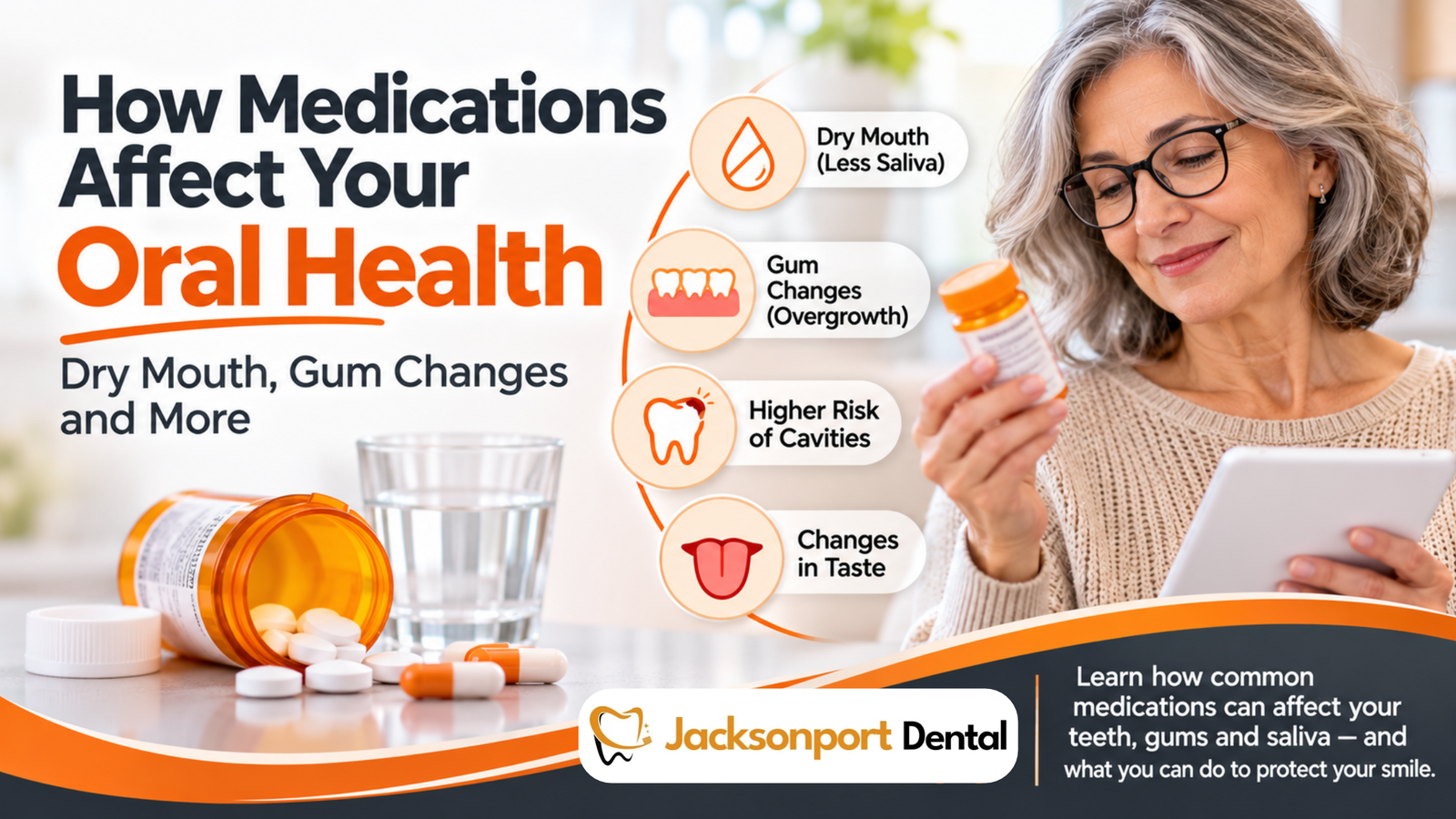
A medicine that helps you manage allergies, blood pressure, pain or another health condition may also affect your mouth. Understanding possible side effects can help you protect your teeth and gums without interrupting treatment you need.
Which medications can affect your oral health?
Several prescription and over-the-counter medicines can affect oral health. Antihistamines, antidepressants, some blood pressure medicines, decongestants, diuretics, pain medicines and certain inhalers may reduce saliva or cause other mouth changes. Some medicines can also contribute to gum enlargement, altered taste, mouth sores or fungal infections. Effects vary by person, so tell your dentist about every medicine and supplement you use.
Have you noticed that your mouth feels unusually dry since starting a new prescription? Perhaps your gums look puffier than usual, food tastes different, or you are getting more cavities despite brushing regularly. These changes can be frustrating, especially when you are already taking medication to look after your health.
The connection between medications and oral health in Calgary is worth understanding. Medicines can affect saliva, gum tissue, the lining of the mouth and even the way you taste food. The good news is that many medication-related oral effects can be managed with the right preventive routine and communication between your dental and medical care teams.
This guide explains common medication-related mouth changes, what signs to watch for and how to discuss them with your dentist. It is general educational information—not a reason to stop, skip or change a prescribed medicine.
Why can medication affect your mouth?
Your mouth is not separate from the rest of your body. Medicines travel through your system and can influence the salivary glands, blood flow, immune response and soft tissues. Some effects are temporary; others may continue while you take the medicine.
One of the most important protective substances in your mouth is saliva. It moistens tissues, helps you chew and swallow, washes away food particles, supports a balanced oral environment and helps neutralize acids produced by plaque bacteria. When saliva production drops, teeth may be more vulnerable to decay and soft tissues may become uncomfortable.
Not everyone taking a particular medicine will experience an oral side effect. The likelihood can depend on the medicine, dose, duration, other health conditions and whether you take several medications that have similar effects.
1. Medication-induced dry mouth (xerostomia)
Dry mouth, also called xerostomia, is one of the most frequently reported oral side effects of medication. You may feel as though your mouth is sticky, your tongue is rough, or you need water to help swallow dry foods. Some people notice symptoms most strongly at night or when they wake up.
Which medications may reduce saliva?
Medication groups associated with dry mouth can include:
- Antihistamines: commonly used for allergies and some cold symptoms.
- Antidepressants and anti-anxiety medicines: certain medicines in these groups can affect salivary function.
- Blood pressure medicines and diuretics: some may contribute to oral dryness.
- Decongestants: products used for nasal congestion may dry oral tissues.
- Pain medicines and sedatives: some can reduce saliva or contribute to a dry-mouth sensation.
- Medicines for bladder or Parkinson’s symptoms: certain drugs with anticholinergic effects may affect saliva.
- Some inhaled medicines: bronchodilators and other inhaled treatments may be associated with oral dryness.
This is not a complete list, and a medicine’s presence on it does not mean you should stop taking it. Your pharmacist or prescriber can explain the risks for your particular treatment.
How does dry mouth affect teeth and gums?
When there is less saliva to rinse and buffer the mouth, plaque acids and food debris can remain around teeth for longer. This can increase the risk of cavities, including decay near the gumline or on exposed root surfaces. Dry tissues can also become sore, cracked or more prone to irritation.
Persistent dryness may contribute to bad breath, difficulty wearing dentures, trouble speaking or swallowing, and oral infections such as candidiasis (thrush). If you notice white patches, burning, persistent soreness or a sudden increase in cavities, arrange an assessment rather than assuming it is simply dehydration.
2. Gum swelling and overgrowth
Some medications can cause the gum tissue to become enlarged or overgrown. This is sometimes called gingival enlargement or gingival overgrowth. The gums may look thicker, cover more of the tooth surface or bleed more easily when brushing.
Medicines associated with this effect include certain calcium-channel blocker medications used for blood pressure or heart conditions, some anti-seizure medicines such as phenytoin, and some immune-suppressing medicines such as cyclosporine. The effect is not inevitable and can vary considerably between individuals.
Enlarged gums can create areas where plaque collects and becomes harder to remove. That can make inflammation and gum disease more difficult to control. If you notice new gum swelling after a medication change, tell your dentist and the prescribing clinician. Do not stop or adjust the medication yourself.
3. Changes in taste, mouth irritation and sores
Some medicines can change how food tastes. You might notice a metallic, bitter or unusually bland taste. Others may irritate the lining of the mouth or contribute to ulcers, tenderness or a burning sensation. Taste changes can affect appetite and food choices, so persistent symptoms deserve attention.
Bring up new or ongoing mouth sores with your dentist or physician, especially if they do not heal, recur frequently or make eating difficult. A dental examination can help distinguish medication effects from infection, trauma, nutritional issues or another condition.
4. Oral thrush and infections
Oral thrush is a fungal infection that can appear as creamy white patches, redness, soreness or a burning feeling. Certain medicines and medical treatments can make infection more likely. For example, inhaled corticosteroids can leave medication in the mouth and throat, where it may contribute to thrush in some people.
If your inhaler instructions recommend it, rinse your mouth with water and spit after using the medicine. Ask your pharmacist or respiratory-care provider whether a spacer is appropriate for your inhaler. Do not change your inhaler routine without checking its specific instructions.
Antibiotics and immune-suppressing treatments can also affect the balance of microorganisms or the body’s ability to fight infection. White patches, soreness or persistent redness should be assessed; do not try to scrape patches away or self-diagnose the cause.
5. Tooth decay risk from sweetened medicines
Some liquid medicines, syrups, chewable tablets, lozenges and dissolving products contain sugars or other ingredients that can contribute to tooth decay when they remain on teeth frequently. This may be more relevant when a product is taken several times a day or before bedtime.
Ask your pharmacist whether a sugar-free version is available and suitable for you. If it is safe for the product, rinse with water after taking it. Keep taking medicine exactly as directed; never reduce a dose or change its form simply to avoid dental effects without professional advice.
6. Medicines that may matter before dental treatment
Your medication list helps your dentist plan treatment safely. Some medicines can influence bleeding, healing, infection risk or the choice of dental procedure and pain-control options.
- Anticoagulants and antiplatelet medicines: may affect bleeding during some procedures. Your dentist needs to know what you take and why.
- Bisphosphonates and certain other bone-modifying medicines: may be relevant to the risk of a rare jaw-bone healing complication, particularly with some invasive procedures. Tell your dentist about current or past treatment, including the reason and route of administration.
- Immune-suppressing medicines: may affect infection risk and healing, so treatment planning may require coordination with your physician.
- Diabetes medicines and other medicines affecting general health: may be relevant to appointment timing, eating instructions and overall care planning.
Do not stop blood thinners, osteoporosis medicines, steroids or any other prescription before a dental appointment unless the prescribing clinician specifically instructs you to do so. Your dental and medical teams can coordinate when a change is necessary.
Signs that your medication may be affecting your oral health
Make a note of symptoms, when they began and whether they appeared after starting a new medicine or changing a dose. Contact your dentist if you notice:
- Dryness, sticky saliva or needing water to swallow food.
- More cavities, sensitivity or decay near the gumline.
- Swollen, enlarged, tender or easily bleeding gums.
- Persistent bad breath or a change in taste.
- White patches, mouth sores, burning or recurring irritation.
- Difficulty wearing dentures or keeping them comfortable.
- New pain, swelling or signs of infection.
Seek urgent medical or dental care for facial swelling that is spreading, fever with significant dental swelling, difficulty swallowing or breathing, or other rapidly worsening symptoms.
How to protect your oral health while taking medication
You may not be able to avoid every side effect, and you should not change essential treatment without medical advice. However, a consistent preventive routine can reduce avoidable risks.
1. Keep your medication list current
Bring an up-to-date list to dental appointments. Include prescription medicines, over-the-counter products, vitamins, herbal remedies, inhalers, sprays and supplements. Record the dose and how often you take each one. Tell the dental team about recent changes, allergies and any symptoms you have noticed.
2. Brush twice daily with fluoride toothpaste
Use a soft-bristled toothbrush and fluoride toothpaste morning and night. Brush gently along the gumline and clean all tooth surfaces. If a dry mouth makes decay more likely, ask your dentist whether a higher-fluoride toothpaste or professionally applied fluoride is appropriate for your risk level.
3. Clean between your teeth every day
Use floss, interdental brushes or another tool recommended for your mouth. Cleaning between teeth helps remove plaque from areas a toothbrush cannot reach. If dexterity, braces, bridges or implants make cleaning difficult, ask your dental hygienist to demonstrate an easier method.
4. Manage dry mouth safely
- Take frequent small sips of water throughout the day, unless your medical team has advised you to restrict fluids.
- Ask whether sugar-free gum or lozenges are suitable to stimulate saliva.
- Consider an alcohol-free mouth rinse or a saliva substitute designed for dry mouth.
- Limit frequent sugary or acidic drinks and snacks, which can increase the risk of enamel damage and decay.
- Discuss persistent symptoms with your dentist and pharmacist; they may suggest suitable products or a medication review with your prescriber.
5. Keep up with professional dental visits
There is no single appointment interval that suits everyone. Your dentist may recommend more frequent examinations or hygiene visits if you have dry mouth, gum inflammation, a history of cavities, reduced immune function or other risk factors. Regular visits allow early changes to be identified before they become more complicated.
What happens during a dental medication review?
A medication review at a dental appointment is a conversation about your health history and the medicines you use—not a direction to stop treatment. Your dentist may:
- Review your prescription and non-prescription medication list, including supplements and inhalers.
- Ask about dry mouth, taste changes, bleeding, gum swelling, sores or other symptoms.
- Examine your teeth, gums, tongue and other oral tissues for signs of decay, inflammation or infection.
- Assess your cavity and gum-disease risk and discuss preventive options such as fluoride or more frequent hygiene care.
- Recommend that you speak with your physician or pharmacist if a medication side effect is suspected.
Depending on your needs, your dental team may coordinate with your physician or pharmacist. Only the clinician responsible for prescribing your medication should advise whether to adjust, replace or discontinue it.
Medication and oral health care in NE Calgary
If you live in NE Calgary or nearby communities such as Cornerstone, Skyview Ranch or Savanna, keeping your dental team informed about medication changes is a practical part of preventive care. Whether you take one regular prescription or several medicines for different health needs, a current medication list helps your dentist understand your individual risks.
At Jacksonport Dental Clinic, patients can discuss changes in their oral health, dry mouth symptoms, gum concerns and preventive dental-care needs with the dental team. If you have noticed a new symptom, mention when it began and whether it followed a medication change. Bring the medication packaging or an updated list if you are unsure of the names.
Protect your smile with informed dental care
Medication-related oral side effects are common enough to discuss, but they do not mean you have to accept ongoing discomfort or avoid necessary treatment. Dry mouth, gum changes, altered taste and mouth irritation can often be assessed and managed with preventive dental care and appropriate communication among your healthcare providers.
Keep your medication list up to date, maintain daily brushing and interdental cleaning, and tell your dentist about new symptoms. If you are in NE Calgary, Jacksonport Dental Clinic can help you understand your oral health needs and plan appropriate preventive care.
Have you noticed changes in your mouth after starting medication?
Talk with the Jacksonport Dental team about dry mouth, gum changes or other oral health concerns.
Jacksonport Dental Clinic · Unit 124, 3730 104 Ave NE, Calgary, AB T3N 0T1
Frequently asked questions
Which medications can affect your oral health?
Some antihistamines, antidepressants, anti-anxiety medicines, blood pressure drugs, diuretics, decongestants, pain medicines and inhaled medications can affect saliva or oral tissues. Certain anti-seizure and immune-suppressing medicines may contribute to gum overgrowth. Effects depend on the specific drug and the individual.
Can medication cause dry mouth and tooth decay?
Yes. Some medicines reduce saliva, which normally helps rinse away food debris and neutralize acids. Reduced saliva can increase the risk of cavities, gum irritation, bad breath and oral infections. A dentist can recommend preventive measures based on your risk.
Can blood pressure medication cause swollen gums?
Some calcium-channel blocker medicines used to manage blood pressure can cause gum enlargement in certain people. Good plaque control and regular professional monitoring can help. Tell your dentist and prescribing clinician if you notice gum changes; do not stop the medication yourself.
Should I stop taking medication if it causes dry mouth?
No. Do not stop, skip or change a prescribed medication without speaking to the clinician who prescribed it. Your dentist or pharmacist can help identify possible side effects and discuss options with your physician when appropriate.
What can I do about medication-induced dry mouth?
Try frequent small sips of water if you are not on fluid restriction, maintain fluoride brushing, clean between teeth daily and ask about sugar-free gum, saliva substitutes or alcohol-free oral-care products. Persistent dry mouth should be assessed by a dental or medical professional.
Should I tell my dentist about vitamins and over-the-counter medicines?
Yes. Share prescription medicines, non-prescription products, vitamins, herbal supplements, inhalers and occasional medicines. Include dose and frequency when possible, because these details can affect dental treatment planning.
Can inhalers cause oral infections?
Some inhaled medicines, particularly inhaled corticosteroids, can increase the risk of oral thrush. Follow the instructions for your specific inhaler, including rinsing and spitting after use when advised. Ask your pharmacist whether a spacer is appropriate.
How often should I visit a dentist if I take several medications?
Your ideal recall interval depends on your oral health, dry-mouth symptoms, cavity history, gum health and medical circumstances. Your dentist can recommend a schedule tailored to your risk rather than relying on a one-size-fits-all interval.
Can I book a dental appointment at Jacksonport Dental if I live in Cornerstone or Skyview Ranch?
Yes. Jacksonport Dental Clinic is located in NE Calgary and can be contacted to discuss appointment availability and your dental-care needs. Call 403-815-3040 or use the online appointment request page.
Helpful oral health resources
- Ontario Dental Association: Prescription Drugs and Oral Health
- Ontario Dental Association: Dry Mouth
- Dental Hygiene Canada: Dry Mouth
- American Dental Association: Medications and Oral Health
- Canadian Dental Association: Dental Exams and Oral Care
Important: This article is for general educational purposes and does not replace advice from your dentist, physician or pharmacist. Medication effects vary. Never stop or change prescribed treatment without advice from the prescribing clinician.